A capacitor acts like a small energy buffer. It stores a little electricity and releases it when needed. When the controller or LED strip suddenly turns on or changes brightness, it can briefly pull a lot of current. The capacitor helps by smoothing out these quick changes, keeping the voltage steady. This protects the controller and LEDs from sudden voltage drops or spikes and helps everything run more reliably. In simple terms, the capacitor helps keep the power smooth and protects the electronics.

Courses and lessons with this Tutorial
This Tutorial is used in the following courses and lessons
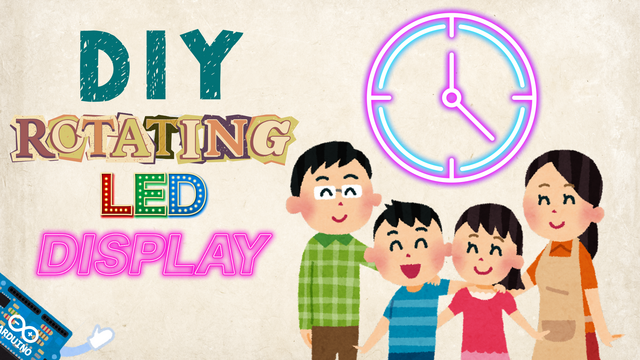

Build a DIY Rotating LED Clock Display – For Parents and Kids (Online and Self-Guided)
Discover the fun of DIY electronics with your child in this self-paced, beginner-friendly online course, where parents and kids work together to build a rotating LED strip display!
Designed for those with no prior experience, this project-based course walks you through the entire process of assembling a spinning LED display that uses persistence of vision to create a glowing clock.
- 60
- 0:00
- 56


Stick Setup – Mounting the LED Strip
Lights On
The goal of this lesson is to connect a 9V LED strip and control it with a 5V controller - without burning anything in the process! To make it work safely, follow the instructions carefully.

- 6
- 2
- 5
- 3d_rotation 0